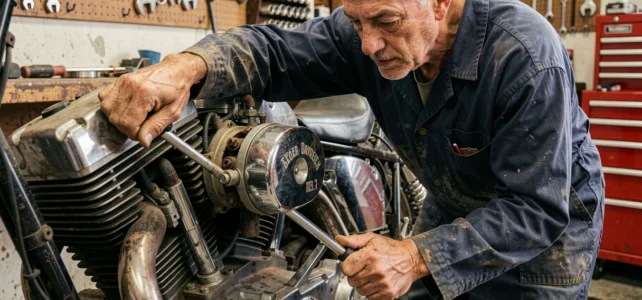
The Harley-Davidson Twin Cam 103, an air-cooled V-twin engine of 1,690 cm³, equipped a large part of the Touring and Softail range between 2012 and 2016. Assessing its reliability requires distinguishing between the engine itself, its thermal environment, and peripheral components that are often confused with internal failures. Field reports paint a more nuanced picture than the general reputation of the engine.
Twin Cam 103 Specifications Compared to 96 ci and Milwaukee-Eight
| Criteria | Twin Cam 96 | Twin Cam 103 | Milwaukee-Eight 107 |
|---|---|---|---|
| Displacement | 1,584 cm³ | 1,690 cm³ | 1,746 cm³ |
| Torque (manufacturer’s value) | Lower than 103 | 135 Nm at 3,250 rpm | Higher than 103 |
| Cooling | Air | Air | Air + oil (depending on model) |
| Valvetrain | Chain, plastic guides | Chain, plastic guides | Chain, revised design |
| Main production period | 2007-2011 | 2012-2016 | From 2017 |
The transition from 96 to 103 brought a noticeable increase in low-end torque without radically changing the architecture. In contrast, the Milwaukee-Eight corrected several structural weaknesses of the Twin Cam, particularly the valvetrain and thermal management. This intermediate position of the 103 explains why opinions vary so much depending on mileage and usage conditions.
Documented feedback on the reliability of the Harley Davidson 103 engine confirms that some examples far exceed 150,000 kilometers, while others show signs of wear well before reaching 40,000 kilometers.
Thermal Management of the 103: The Factor Ignored by Technical Sheets
The exclusively air-cooled design of the Twin Cam 103 constitutes its Achilles’ heel in real-world conditions. Slow circulation and hot climates accelerate the wear of seals, promote knocking, and increase oil consumption. This phenomenon is not strictly a design flaw but a physical limitation of the system.
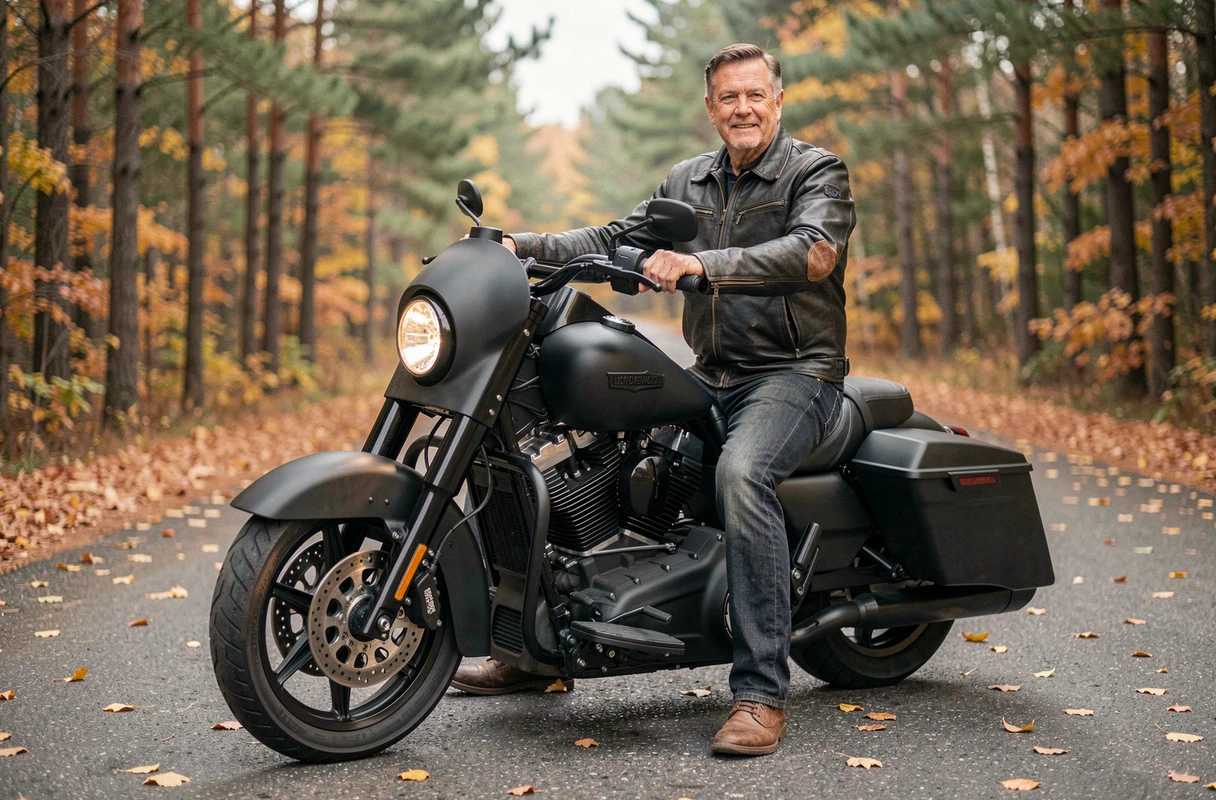
Recent field reports describe temperature rises that cause misfires when hot, particularly on Touring models used in the city. A Fat Boy or a Heritage Softail primarily riding on the highway does not stress the engine in the same way as a Street Glide stuck in daily traffic jams.
Several owners report that adding an auxiliary fan or choosing a synthetic oil with appropriate viscosity significantly reduces these symptoms. The engine is not failing in absolute terms, but its thermal environment directly conditions its longevity.
Oil Sumping: An Unknown Phenomenon on the Twin Cam
Sumping refers to an abnormal accumulation of oil in the lower crankcase after a period of inactivity. On Twin Cam 103s that are rarely ridden or poorly stored, this phenomenon causes smoke on startup, irregular operation, and diagnostic errors. A mechanic unfamiliar with the engine may confuse sumping with internal wear.
The solution involves a gradual break-in after each prolonged period of inactivity and checking the engine oil level before jumping to hasty conclusions.
Peripheral Failures Often Wrongly Attributed to the 103 Engine
Some of the negative feedback regarding the reliability of the Twin Cam 103 actually concerns components external to the engine. The symptoms of an engine failure are often caused by the injection or fuel supply, not by the V-twin itself.
- Air leaks in the intake circuit, causing misfires and power loss similar to an internal problem
- Faulty or clogged O2 sensors sending incorrect data to the ECM and disrupting fuel mixture
- Worn fuel pressure regulator or fuel pump, generating intermittent cutouts when hot
- Oxidized or poorly connected ECM wiring, leading to multiple error codes unrelated to the engine
Before considering a major intervention on the top end, a systematic diagnosis of these peripheral elements can eliminate the most common causes. The cost of an O2 sensor or an intake gasket is insignificant compared to a cylinder head overhaul.
Maintenance of the Twin Cam 103: What Separates a Reliable Engine from a Fragile One
The consensus among experienced owners is clear: a well-maintained 103 with original parts does not share the same fate as a modified 103. Engines equipped with aftermarket cams, open air filters, or aggressive ECM reprogramming statistically present more distribution and overheating issues.
The maintenance points that consistently appear in positive feedback include:
- Changing the engine oil and filter every 5,000 to 8,000 kilometers, using synthetic oil suitable for high operating temperatures
- Visual inspection of the timing chain guides, whose premature wear is the most documented flaw of the Twin Cam
- Checking the rockers and valve clearance, with cold clattering being an early indicator of wear
- Regular verification of the tensioner, a component whose failure can lead to costly internal damage
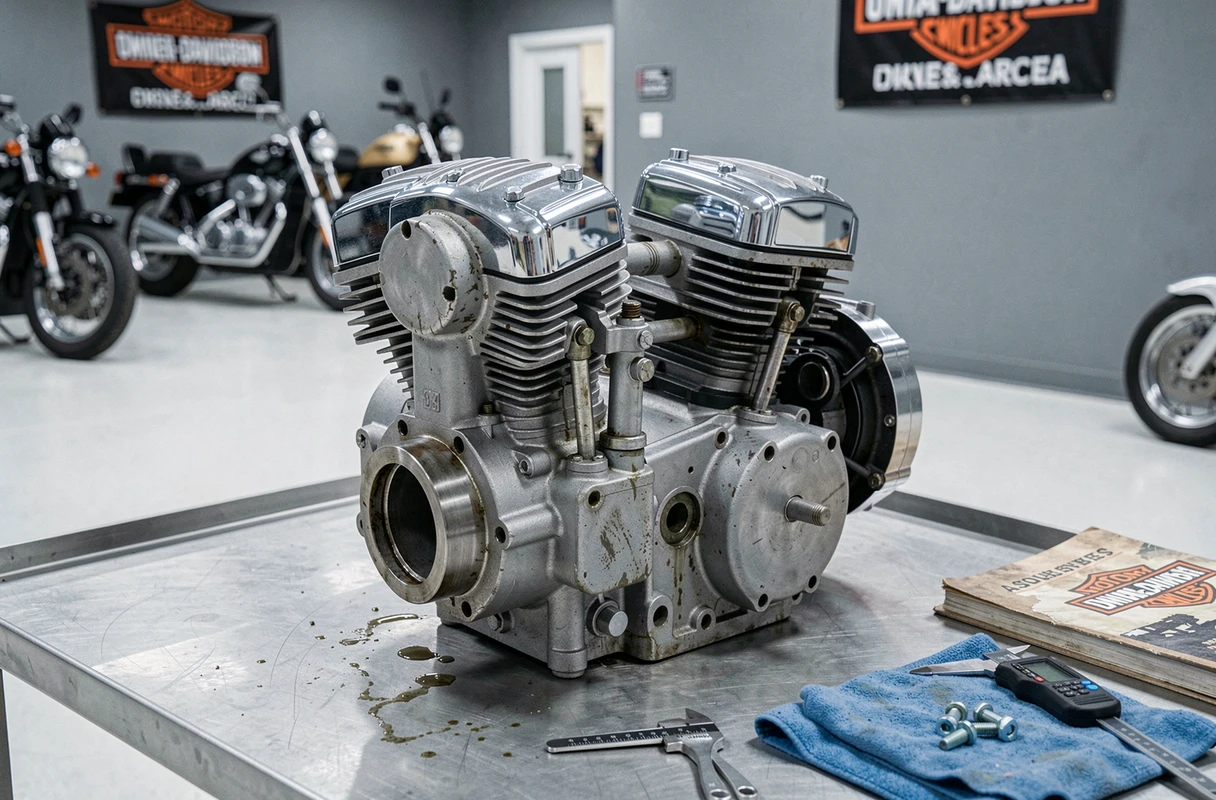
The plastic guides of the timing chain remain the structural weak point of the Twin Cam. Their wear generates play, chain noise, and ultimately a risk of timing failure. On a high-mileage engine, the preventive replacement of these guides with reinforced versions is one of the most cost-effective interventions.
Modified or Poorly Tuned 103: A Different Risk Profile
Performance modifications (high-lift cams, free-flow exhaust without appropriate reprogramming) push the engine beyond its original parameters. The additional heat generated by a too-lean mixture or an uncalibrated exhaust accelerates the wear of internal components. An original 103 at 120,000 kilometers may be in better condition than a modified 103 at 50,000 kilometers.
The Twin Cam 103 is neither the most robust nor the least reliable engine in Harley-Davidson’s history. Its longevity depends on three measurable variables: thermal management related to usage conditions, the rigor of preventive maintenance, and adherence to original parameters. Owners who address these three points ride without major issues well beyond the average. Those who neglect them contribute to forums filled with negative testimonials, often attributing peripheral failures to the engine.