
The prepaid bank card is based on a simple mechanism: you load an amount before you can spend it. No credit line, no linked checking account, no risk of overdraft. This payment method, backed by Visa or Mastercard networks, works in the same terminals and merchant sites as a regular card, but with a distinct usage framework that deserves to be examined in detail.
Multichannel Reloading: What Really Changes Daily Use
Most content on prepaid cards simply states that they are reloaded and used. The reality of reloading is more nuanced, and this is often where user satisfaction or frustration is determined.
Recent issuers offer several reloading channels: bank transfer, cash deposit at a tobacconist or an authorized point of sale, reloading via mobile app, and sometimes through wallets like Apple Pay, Google Pay, or PayPal. This diversification is not trivial. It determines how quickly your balance becomes available.
The instant reloading from an app is now a true differentiator among offers. Some cards, like those offered by Bunq or MyPCS, allow you to top up your balance in seconds from a smartphone. Others impose a delay of one to two business days for a standard transfer. For those who want to understand the principle of a prepaid bank card before choosing a product, this speed of reloading criterion should be verified as a priority.
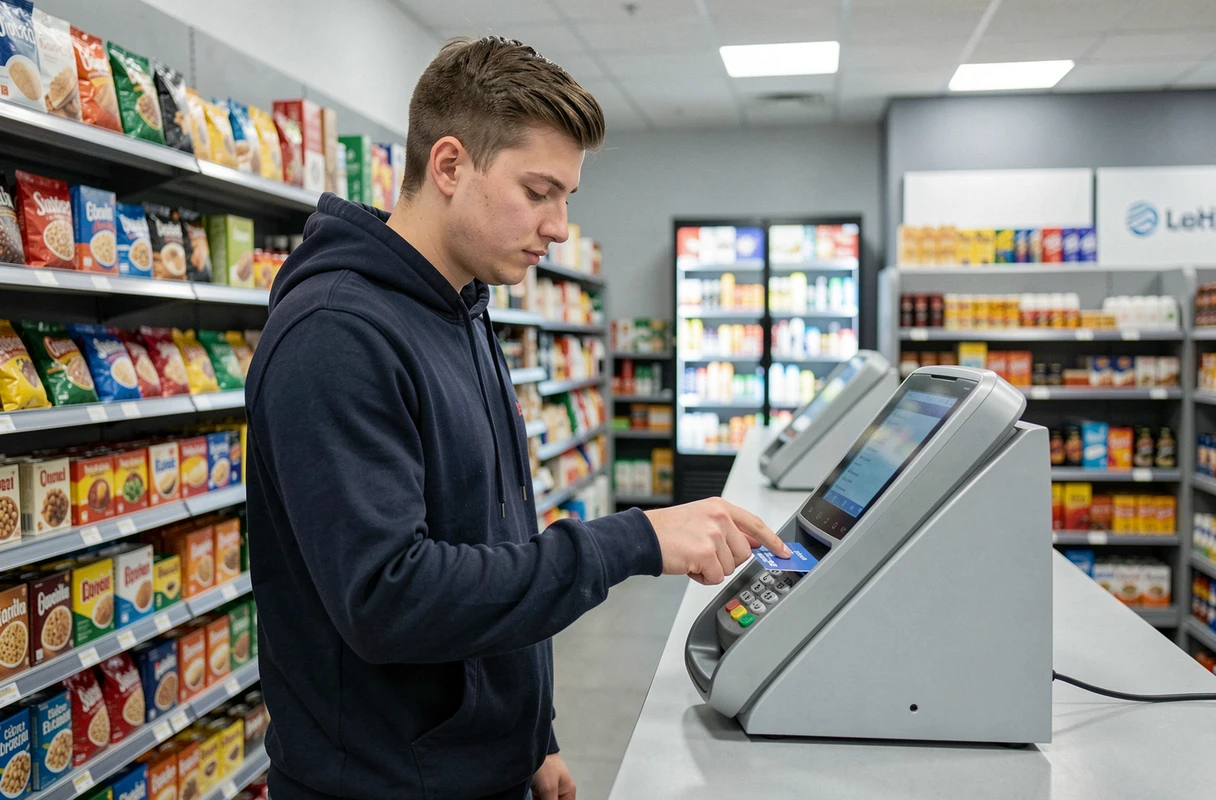
Prepaid Card and Identity Verification: Regulatory Thresholds to Know
In Europe, prepaid cards are subject to anti-money laundering regulations (AML-CFT). The level of verification required directly depends on the card’s limits.
Without identity verification, the limits remain very low. The user can make low-value payments, but withdrawals at ATMs are often impossible or limited to a few dozen euros. The limits increase proportionally to the level of verification provided: a simple ID unlocks intermediate amounts, while proof of residence and a verification selfie open access to the highest limits.
This point creates frequent confusion. Many users buy a prepaid card thinking they can use it without formalities, only to discover that their transactions are blocked beyond a certain threshold. Before any subscription, you need to identify the level of verification you are willing to provide and check the associated limits with the chosen issuer.
Named or Anonymous Prepaid Card
The distinction between a named card and a so-called “anonymous” card is directly related to these thresholds. A strictly anonymous card hardly exists anymore in Europe due to the strengthening of KYC (Know Your Customer) obligations. Cards without a printed name do exist, but they are associated with very limited limits and generally do not allow withdrawals at ATMs.
Actual Costs of a Prepaid Card: What Pricing Grids Don’t Always Show
The cost of a prepaid card is not limited to its purchase price. Several lines of fees add up, and their impact varies depending on your usage.
- Issuance or purchase fees for the card: charged once, they represent the entry cost. Some issuers include them in an annual fee.
- Reloading fees: a percentage or a fixed amount charged for each reload. Reloading cash at a tobacconist generally costs more than a transfer from a bank account.
- ATM withdrawal fees: often higher than those on a regular bank card, especially abroad. Some cards apply a fixed fee per withdrawal in addition to a currency exchange commission.
- Inactivity fees: if the card is not used for several months, some issuers charge a monthly amount from the remaining balance.
The total cost depends on the frequency of reloading and the type of transactions. A user who reloads often in cash and withdraws regularly abroad will pay significantly more than a user who reloads by transfer and pays only online.
Prepaid Card for Contactless Payment and Withdrawal: Actual Uses
Recent prepaid cards cover uses that many consumers do not yet attribute to them. Contactless payment is now offered by the majority of issuers, with the same limits per transaction as regular debit cards.
Cash withdrawal at ATMs is also possible on most reloadable cards, provided the balance is sufficient and the withdrawal limit has not been reached. Cards backed by Mastercard or Visa networks work in compatible ATMs, including abroad.
Contactless and withdrawal are available on most reloadable prepaid cards, but not on non-reloadable gift card types, which remain limited to in-store or online payments.
Prepaid Card Abroad
Using a prepaid card abroad remains a sensitive point. Currency conversion fees are added to withdrawal fees. Some multi-currency prepaid cards allow loading multiple currencies onto the same card, reducing exchange fees. Others apply a fixed commission on each payment outside the Eurozone.
For occasional travel use, a prepaid card can be an interesting alternative to the main bank card, provided you compare the exchange fees charged by the issuer.
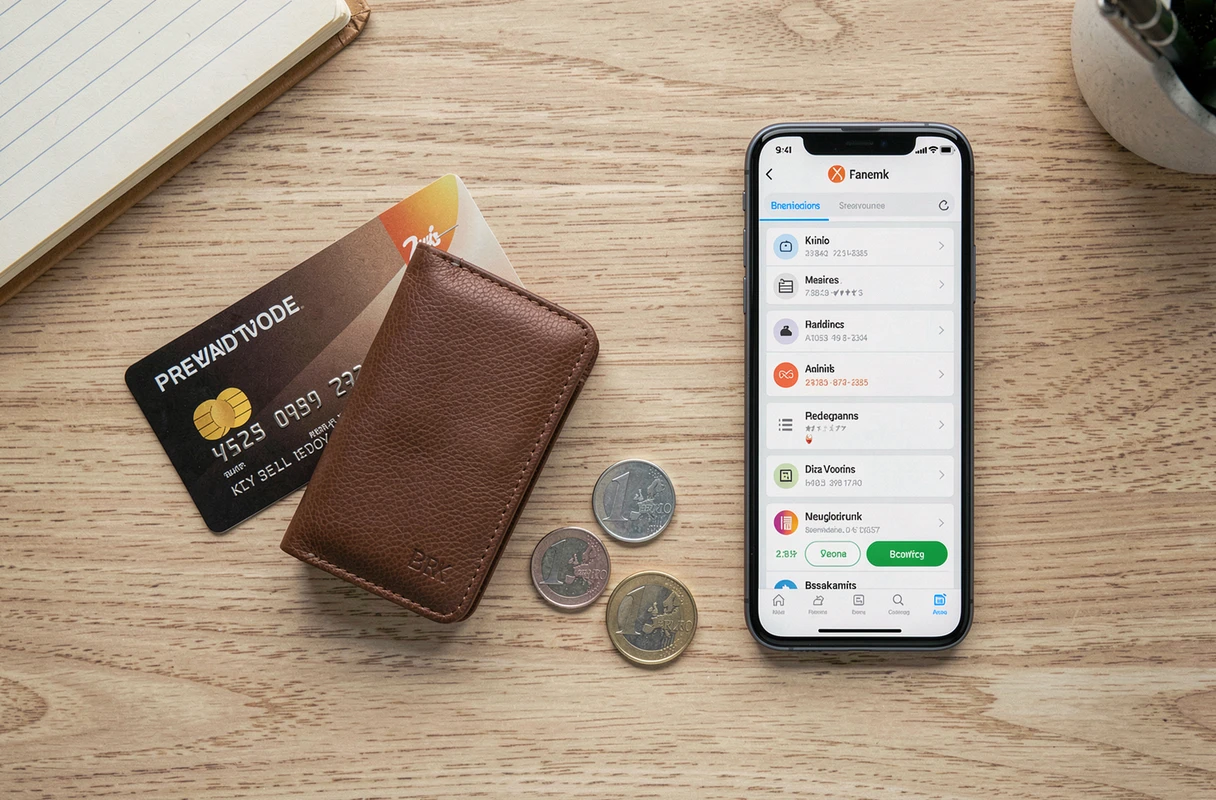
Target Audiences for the Prepaid Card: Beyond the Typical Profile
Prepaid cards are often associated with individuals in a banking ban situation. This audience exists, but it only represents part of the users.
- Parents who want to provide a controlled payment method to a teenager use prepaid cards to set a specific budget without the risk of overspending.
- Occasional travelers load a dedicated card for their expenses abroad, thus separating their travel budget from their main account.
- Online shoppers who are cautious prefer to use a prepaid card rather than their main bank card, limiting exposure in case of fraud to the amount loaded on the card.
The prepaid card serves as much to control a budget as to isolate a risk. This positioning explains why this product attracts a variety of profiles, well beyond just the issue of banking access.
The prepaid card market continues to evolve with the integration of functions that bring them closer to checking accounts: associated IBAN, incoming transfers, real-time notifications. The line between prepaid card and neobank is blurring, making the choice more complex but also more suited to specific needs.