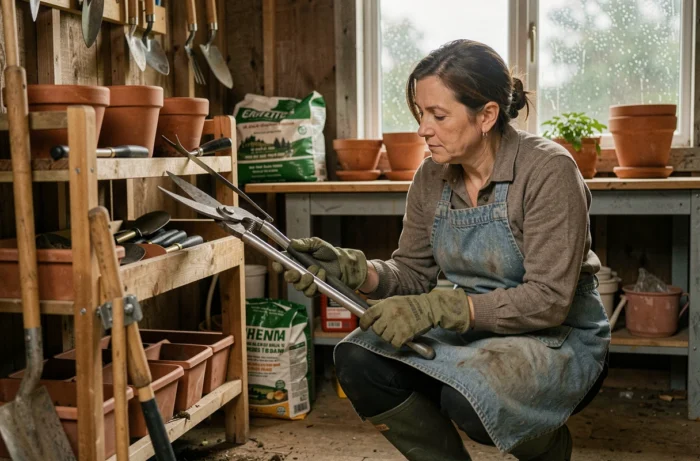
A 50 m² garden and an 800 m² plot don’t call for the same tools or the same budget. Choosing your garden equipment starts with matching the actual area, type of vegetation and frequency of maintenance. A poor choice can be costly: an oversized tool takes up space, while an undersized one causes fatigue and wears out prematurely.
Noise and local regulations: what to consider before the price
Before comparing specifications, check the restrictions that apply in your area. Two factors are often overlooked when buying garden equipment.
The first concerns permitted hours for using noisy tools. There is no single nationwide time slot: local or regional authorities set the permitted hours. Even during permitted hours, the duration, frequency and volume of the noise can still be considered a nuisance to neighbours. Using a petrol hedge trimmer every week along a property boundary could cause a problem that a quieter electric model would avoid.
The second factor is mandatory brush clearance. In areas near fire-prone woodland, regulations may require a cleared strip to be maintained around buildings. Requirements vary by location. Before investing, check the map and rules that apply to your address: this will determine whether you need a simple handheld brush cutter or heavier-duty equipment.
To compare the available ranges and find what suits your needs, Jardineur’s garden equipment guide details the features of each category by type of use.
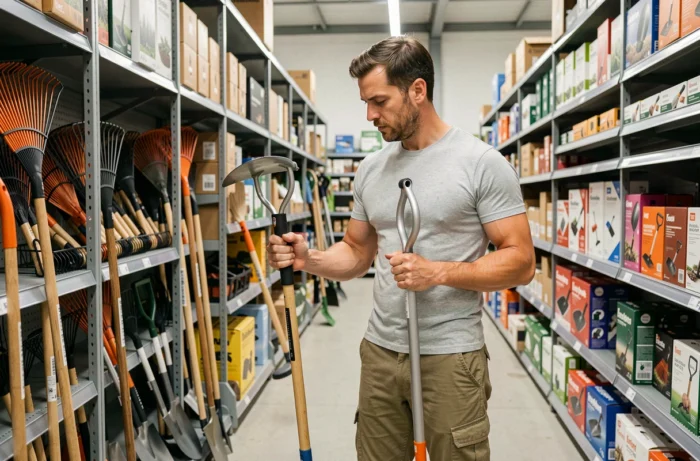
Mowing and cutting: match the power source to your garden size
A lawn mower is the first purchase for most gardens. Have you ever noticed a neighbour struggling to push a mower up a slope while someone else effortlessly mows a flat lawn twice the size? The difference rarely comes down to the brand. It’s usually the power source and cutting width.
Manual, electric or petrol lawn mower
For a small lawn, a manual cylinder mower delivers a clean cut without noise or fuel. A corded electric mower is suitable for medium-sized lawns, as long as you stay within reach of a power outlet. For larger areas, a cordless model offers greater freedom of movement, with runtime depending on battery capacity.
A petrol mower makes sense for large gardens or uneven ground. It requires regular engine maintenance (oil changes, spark plug and air filter) and produces more noise, bringing us back to the question of permitted hours in your area.
Grass trimmer and brush cutter
A grass trimmer finishes the job where a mower can’t reach: along walls, around trees and beside flower beds. A more powerful brush cutter tackles tall grass and brambles. These two tools are not interchangeable: a lightweight grass trimmer won’t clear overgrown land, while a brush cutter is unnecessarily heavy for trimming lawn edges every week.
Soil care and pruning: tools you shouldn’t overlook
Mowing gets most of the attention, but soil care and shrub pruning take just as much time over the course of a full season.
Work the soil without breaking the bank
Two tools cover most soil-care needs:
- A digging fork turns the soil, works in compost and breaks up clods. Choose a forged model with a wooden or fibreglass handle, which will last longer than a welded tool with a plastic handle.
- A broadfork aerates the soil without turning it over, preserving microbial life. It’s particularly well suited to vegetable gardens and perennial beds.
- A cultivator (or hand rake) breaks up the soil after digging and levels it before sowing. In a small garden, it can replace a rototiller.
Choose hand tools for smaller areas: they cost less, take up little space and are more than adequate if the soil is worked regularly.
Pruning shears and hedge trimmers: two different approaches
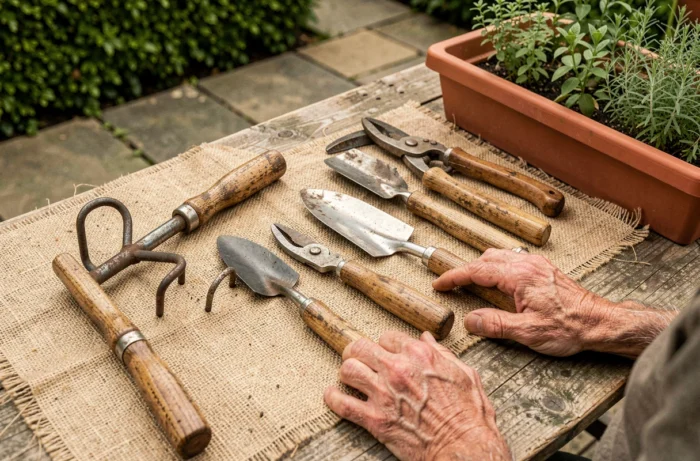
Pruning shears are useful all year round: for pruning roses, removing dead wood and harvesting in the vegetable garden. Bypass pruners make clean cuts on green stems, while anvil pruners are better suited to dry branches. Why the distinction? Bypass blades cut without crushing, reducing the risk of disease in living plants.
Choose a hedge trimmer based on the length of hedge you need to trim. For a few metres, manual hedge shears will do the job. For longer hedges, an electric or cordless model helps prevent muscle fatigue. Check the tooth spacing: wider spacing suits thicker branches, while closer spacing gives a cleaner cut on fine foliage.
Watering and budget: two choices that affect how long your equipment lasts
An incorrectly sized watering system wastes water and leaves some areas dry. Poor budget planning can mean replacing a low-quality tool after just one season.
For watering, first check the flow rate available from your outdoor tap. Drip irrigation works well for flower beds and vegetable gardens, even at low flow rates. An oscillating sprinkler covers a rectangular lawn, while a rotary sprinkler suits round or irregular areas. An inexpensive mechanical timer helps prevent missed watering.
When it comes to your budget, focus your spending on the tools you use most often. A good-quality lawn mower and pair of pruning shears can be used every week for years. Tools used occasionally (such as a scarifier or lawn aerator) can be rented or borrowed without affecting routine maintenance.
- Check whether your equipment is eligible for a repair bonus: public schemes encourage repairing certain appliances rather than replacing them.
- Store your tools somewhere dry: a wall hook in a garden shed is enough to extend the life of handles and blades.
- Sharpen cutting blades at least once a season to maintain a clean cut and reduce effort.
The right garden equipment isn’t simply a matter of brand or choosing the most expensive option. A careful assessment of your garden, a check of local restrictions and a few tools suited to its actual size will deliver better results than a garage full of underused equipment.