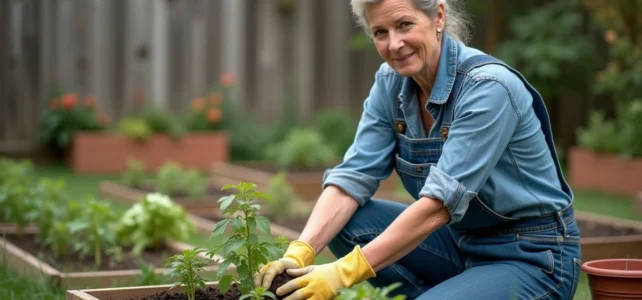
Annual gardening relies on a sequence of technical gestures, with the calendar varying according to soil type, local climate, and the types of plants grown. Common content on the subject lists tasks season by season but often neglects recent regulatory constraints and fundamental changes that alter the way to design a garden in 2026. This article presents useful facts to structure a functional garden over twelve months.
Development Tax and Composting: The Regulatory Framework Changing the Game in the Garden
Before discussing sowing or pruning, one point deserves the attention of any gardener setting up their outdoor space. The increase in the development tax means that any closed construction over 5 m² can trigger taxation. A garden shed, a lean-to greenhouse, a tool shed: these common additions potentially fall under this tax.
This constraint alters planning choices. Favoring open structures (pergolas, lean-tos without complete closure) or staying below the surface threshold becomes a reflex to integrate from the design phase.
Composting has also changed its status. It is no longer just a good ecological practice: failure to comply with green waste sorting guidelines can result in a fixed fine. For gardeners producing significant volumes of mowing, pruning, or fallen leaves, managing green waste becomes an organized task, not a detail. The resources available on jardinews.com allow tracking these regulatory changes applied to gardening.
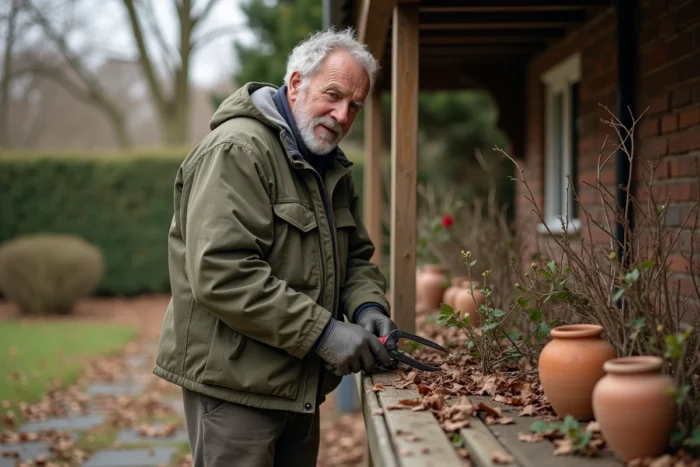
Perennials and Grasses: Designing a Readable Garden for Four Seasons
The landscaping trends in 2026 confirm a shift towards low-maintenance gardens. Less lawn, more robust perennials, evergreen shrubs, and ornamental grasses. The goal is not purely aesthetic: a garden designed around perennials reduces watering and maintenance time throughout the year.
This choice has concrete consequences for planning. A well-composed perennial bed (combining staggered blooms from spring to autumn and evergreen foliage for winter) remains readable without heavy intervention. Grasses, for example, maintain their structure all winter and only require a clean cut at the end of winter, before the vegetative restart.
Selecting Plants Suitable for Local Soil
The choice of perennials is not made from a catalog. A clayey and moist soil will not host the same species as a sandy and draining soil. Before any planting, a simple soil test (texture, pH) guides towards the right plant families and avoids repeated failures.
- Clay soil: favor daylilies, asters, and hostas that tolerate standing moisture in spring
- Sandy and dry soil: lavenders, sages, echinaceas, and fescue-type grasses thrive without frequent summer watering
- Limestone soil: irises, peonies, and certain clematis grow naturally without acidic amendments
Adapting the plant palette to the existing soil rather than correcting the soil with heavy amendments remains the most effective lever for an autonomous garden.
Vegetable Garden and Sowing: Calendar Mistakes That Cost Dearly
The vegetable garden concentrates most of the frustrations of gardeners, often due to poor timing. Sowing tomatoes too early indoors (before natural light is sufficient) produces leggy seedlings. Transplanting them before the soil is warmed exposes them to root stress from which they do not always recover.
The sowing calendar depends on soil temperature, not the date on the calendar. A soil thermometer costs a few euros and prevents losing weeks of cultivation. For tomatoes, the soil temperature must be stable before transplanting. The same logic applies to direct sowing of beans or zucchinis.
Managing Water in the Vegetable Garden Without Waste
Watering the vegetable garden remains the most water- and time-consuming task. Two principles change the game:
- Thick mulching (dried clippings, straw, wood chips) retains soil moisture and significantly reduces watering frequency, even in summer
- Watering at the base (drip irrigation or targeted watering can) early in the morning limits evaporation and fungal diseases related to moisture on the foliage
- Collecting rainwater in dedicated tanks allows watering with water at room temperature, less aggressive for the roots than cold tap water
These gestures are not new, but their systematic combination distinguishes a productive vegetable garden from a struggling one during the hot months.
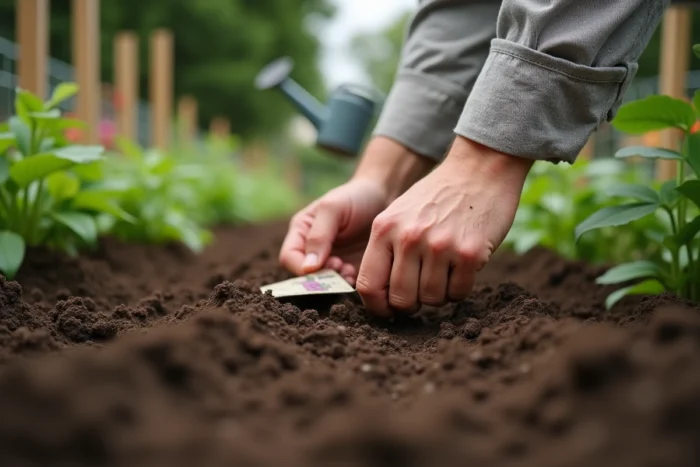
Winter Soil Maintenance: What Happens When the Garden Seems to Sleep
Plant dormancy does not mean soil inactivity. Microbial life continues to transform organic matter, and it is in autumn-winter that mature compost, shredded leaves, or composted manure bring the most benefits. A covered soil in winter maintains its structure and fertility much better than bare soil exposed to heavy rains.
Green manures (phacelia, mustard, rye) sown in late summer or early autumn occupy the ground, limit nutrient leaching, and will be mowed and incorporated in spring. This simple cycle advantageously replaces the need for chemical fertilizers at the start of the season.
Protecting Shrubs and Fruit Trees from Late Frost
Late spring frosts remain the most unpredictable threat to flowering fruit trees and young shrub shoots. A winter cover placed the day before a forecasted frost is often enough to save a bloom. Field reports vary on this point: some gardeners find that the cover damages the flowers by rubbing, while others observe no damage. The compromise solution is to install hoops to keep the cover away from the foliage.
Annual gardening is not just a list of seasonal tasks. The fiscal constraints on garden constructions, the shift towards low-maintenance plantings, and the rigor of the sowing calendar form a coherent whole. A successful garden over twelve months is planned in advance, taking into account the soil, climate, and local regulatory framework.